

Expert Thermostat Repair & Replacement in East Waterford, PA
For expert Thermostat Repair & Replacement in East Waterford, PA, trust our skilled professionals to deliver fast, reliable results. Call today to schedule your service and experience the difference!
Top Thermostat Repair & Replacement in East Waterford, PA
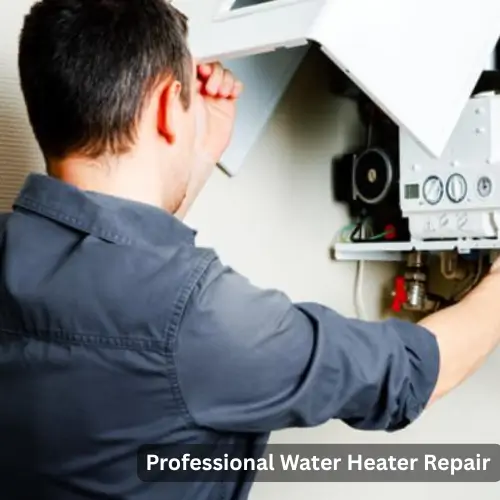
Thermostat Repair & Replacement for Water Heaters
A reliable water heater is essential for daily comfort and convenience. When issues arise, the thermostat is often the culprit. This guide explores the importance of thermostat repair and replacement, ensuring your water heater operates efficiently.
Understanding Water Heater Thermostats
Water heater thermostats regulate the temperature of the water in your heater. They ensure that the water is heated to the desired temperature and maintained consistently. There are two main types of water heaters: electric and gas. Electric water heaters typically have two thermostats—one for each heating element—while gas water heaters have a single thermostat as part of the gas valve assembly.
Signs You Need Thermostat Repair or Replacement
Several indicators suggest that your water heater thermostat may need repair or replacement:
Inconsistent Water Temperature: If your water temperature fluctuates unexpectedly, it could be a sign of a malfunctioning thermostat. This issue can also be caused by sediment buildup in the tank or problems with the power supply.
Water Too Hot: If the water is excessively hot, the thermostat may be set too high or malfunctioning. This can be dangerous and should be addressed immediately.
Insufficient Hot Water: If you run out of hot water quickly, the thermostat may not be functioning correctly. Other potential issues include loose wiring, faulty parts, or an undersized water tank.
Long Reheating Time: If your electric water heater takes an unusually long time to reheat, there may be an issue with the heating elements or the thermostat.
Repairing vs. Replacing Your Water Heater Thermostat
When to Repair
- Minor Issues: If the thermostat has minor issues, such as loose wiring or slight inaccuracies, a repair may be sufficient.
- Single Component Failure: If only one component of the thermostat is faulty, repairing it can be a cost-effective solution.
When to Replace
- Major Malfunctions: If the thermostat has significant issues, such as complete failure or severe inaccuracies, replacement is often the best option.
- Aging Thermostat: If your thermostat is old and has been repaired multiple times, it may be more efficient to replace it.
- Safety Concerns: If the thermostat poses a safety risk, such as causing excessively hot water, replacement is necessary.
Steps to Repair a Water Heater Thermostat
Locate the Thermostat: Identify the location of the thermostat on your water heater. Electric water heaters typically have two thermostats, one at the top and one at the bottom.
Check for Power: Ensure the thermostat is receiving power. If not, check the circuit breaker and reset the thermostat.
Adjust the Temperature: If the water temperature is inconsistent, adjust the thermostat to the desired temperature, typically between 105 and 120 degrees Fahrenheit.
Inspect Wiring: Check for any loose or damaged wires connected to the thermostat. Tighten or replace them as needed.
Test the Thermostat: Use a multimeter to test the thermostat for continuity. If it fails the test, replacement is necessary.
Steps to Replace a Water Heater Thermostat
Turn Off Power: Switch off the power to the water heater at the circuit breaker.
Remove the Access Panel: Remove the access panel and any insulation to expose the thermostat.
Disconnect Wires: Label and disconnect the wires from the old thermostat.
Remove the Old Thermostat: Remove the old thermostat from its mounting clip or bracket.
Install the New Thermostat: Attach the new thermostat to the mounting clip and reconnect the wires according to your labels.
Reset Power: Turn the power back on and press the reset button on the thermostat.
Replace the Access Panel: Replace the insulation and access panel.
FAQs
Q: How do I know if my water heater thermostat is faulty?
A: Signs of a faulty thermostat include inconsistent water temperature, water that is too hot, insufficient hot water, and long reheating times. If you experience any of these issues, your thermostat may need repair or replacement.
Q: Can I repair my water heater thermostat myself?
A: Yes, repairing a water heater thermostat can be a DIY project if you have basic electrical knowledge. However, if you are unsure, it is best to consult a professional.
Q: How often should I check my water heater thermostat?
A: It is a good practice to check your water heater thermostat annually as part of your regular maintenance routine. This helps ensure that it is functioning correctly and prevents potential issues.
Q: What temperature should I set my water heater thermostat to?
A: The recommended temperature setting for most water heaters is between 105 and 120 degrees Fahrenheit. This range provides comfortable hot water while minimizing the risk of scalding.
Q: How long does it take to replace a water heater thermostat?
A: Replacing a water heater thermostat typically takes about 2-3 hours, depending on your skill level and the complexity of the task.
Q: What should I do if my water heater is leaking?
A: If your water heater is leaking, it is important to address the issue immediately. Leaks can cause significant water damage and should be repaired by a professional as soon as possible.